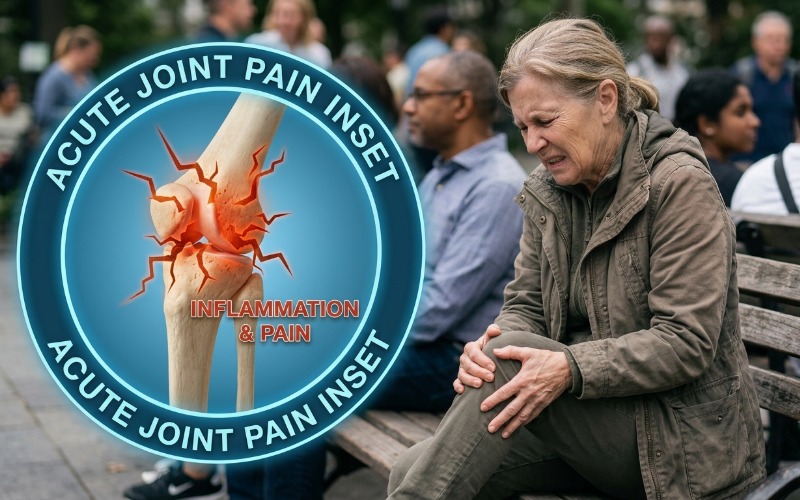
Joint wear doesn't announce itself. It builds quietly, often for years, before it becomes something you can't ignore. Catching the early signals, and acting on them, can make a meaningful difference in how your joints hold up over time.
A little stiffness after a long night's sleep is normal. But if your joints feel noticeably tight or stiff for 20-30 minutes or more after waking, and this becomes a regular pattern rather than an occasional one, it's often an early sign that cartilage and surrounding tissue are under stress. Cartilage has no direct blood supply, so it repairs slowly, which is why early signals matter more than they might seem to.
Occasional joint pops are usually harmless, just gas bubbles releasing in the fluid around the joint. But a grinding, grating, or crunching sensation (known clinically as crepitus), especially when it's accompanied by discomfort, can indicate that cartilage is thinning and bone surfaces are moving less smoothly against each other.
If a joint swells after routine activity, a normal walk, a flight of stairs, a day on your feet, that's your body signaling inflammation. Mild, occasional swelling isn't necessarily alarming, but a recurring pattern suggests the joint is struggling to recover between uses, which is often an early marker of wear outpacing repair.
Struggling to fully bend a knee, reach overhead, or rotate a hip the way you used to is one of the more overlooked signs of joint deterioration, because it happens gradually enough to feel "normal." If you find yourself avoiding certain movements or adjusting your posture to compensate, it's worth paying attention to.
Joint discomfort that flares with cold weather, humidity changes, or after periods of high activity often points to underlying inflammation or cartilage sensitivity. This kind of pattern-based pain is frequently dismissed as coincidence, but it's one of the more reliable early indicators that joint tissue needs additional support.
Joint tissue, particularly cartilage and bone, has limited capacity for self-repair. Left unsupported, early wear can progress toward more significant joint degeneration over time. The good news: nutritional and medicinal support at this stage, before structural damage sets in, can meaningfully slow that progression and support the body's natural repair processes.
This is where our bone health and joint support formulation comes in. Developed to support cartilage integrity, bone density, and the body's natural repair mechanisms, it's designed for exactly this window, when the early signs are there, but there's still time to act.
Noticing one or more of these signs? Learn more about our joint and bone health range or talk to our team about the right option for you.
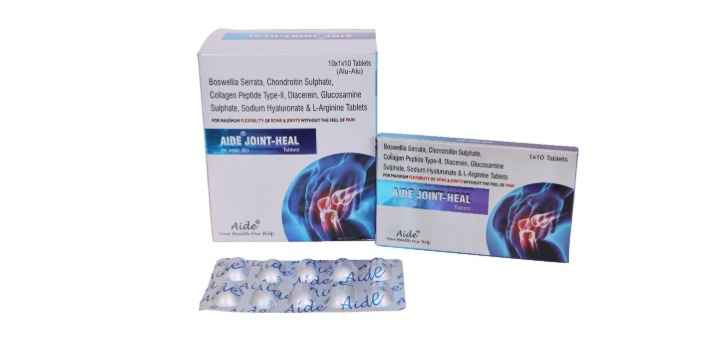
AIDE JOINT-HEAL, formulated with Boswellia Serrata, glucosamine, and collagen peptide